The Distributor Is Out of Stock. The Fisherman Is Not: Sourcing Components When the Supply Chain Says No
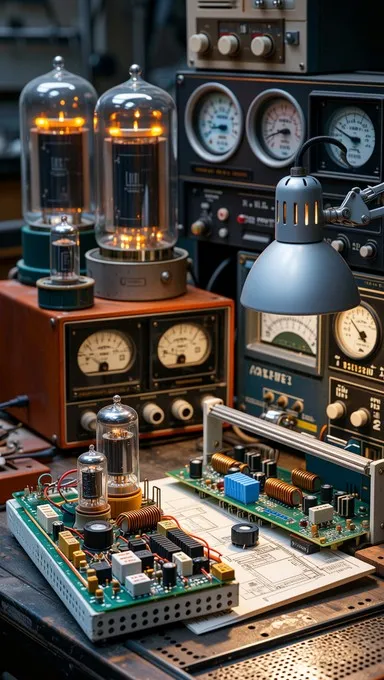
Photo: vintage electronics flea market table with components and tools, via images.stockcake.com
There's a particular flavor of heartbreak known only to hardware hobbyists: you've got the PCB designed, the stencil ordered, the coffee brewed — and then Digi-Key hits you with that cheerful orange banner. Backordered. Estimated restock: Q3. Which quarter? Of which year? They won't say. The supply chain giveth, and the supply chain goes quiet for eleven months.
In Finland, there's a word for what happens next: kompromissi. It sounds like 'compromise' because it is, but with a crucial difference in attitude. Compromise in the American sense feels like losing. Kompromissi feels like fishing. The fish you planned to catch isn't biting? Fine. The lake has forty other species and you have a knife. You don't mourn the fish. You eat.
American makers, raised on next-day shipping and infinite SKU pages, tend to treat scarcity as an anomaly. It isn't. It's the tide. And the tinkerers who thrive are the ones who learn to fish in more than one pond.
The Surplus Aisle Is the Real Distributor
Start with the least glamorous and most underrated source in the country: industrial surplus dealers. SurplusGizmos in Oregon, Surplus Sales of Nebraska, Electronics Surplus in Ohio — these places are the flea markets of the defense-contractor apocalypse. When a lab shuts down or a product line dies, its inventory doesn't go to Mouser. It goes to a warehouse where a guy named Dave sells you mil-spec op-amps for less than the shipping.
The catch? Inventory is chaos. You can't search for 'STM32F407' and feel smug. You browse. You wander. You find a 1970s HP function generator and suddenly your afternoon is gone. This is not a bug. This is the entire point of tinkering.
Salvage: The Component Comes to You
Here's a secret the fisherman knows: sometimes you don't catch the fish, you find it washed up. Dead electronics are swimming around you constantly. E-waste recycling drop-offs, university lab cleanouts (email the department admin — they live for someone asking), Craigslist free listings, estate sales of the recently deceased ham radio operator. That last one sounds grim, but half the vintage components in American projects came from a estate-sale shoebox of NOS tubes and ceramic caps bought for ten dollars.
Desoldering is the skill nobody puts on a résumé and everybody needs. A hot plate at 150°C loosens solder on whole boards, and suddenly your 'unavailable' microcontroller is sitting on a $4 thrift-store router, daring you to take it. Add a donor-board harvesting habit to your workflow and scarcity starts looking like a pricing error.
The Secondhand Channels Nobody Reads
Facebook Marketplace is where electronics go to be mislabeled. Search 'electronic parts lot' in any metro area and you'll find someone's deceased father's basement listed as 'assorted junk, $30, must go.' That junk is a decade of production runs.
Beyond that, cultivate the weird corners: hamfests (yes, they still happen — check the ARRL calendar), the surplus tables at maker faires, university auction sites like GovDeals where school districts liquidate entire electronics classrooms. A whole vocational-ed lab — oscilloscopes, power supplies, component drawers — routinely goes for the price of a mid-range GPU.
Design Around the Fish You Can Catch
The deepest kompromissi move isn't sourcing at all. It's designing so you don't need the scarce part. The fisherman doesn't build a lure only one fish likes.
- Spec the generic, not the exact. Design footprints that accept three families of op-amp, not one. Tolerances are a design feature.
- Keep a substitution sheet. Every project file should have a 'plan B parts' column. Future you will send past you a thank-you note.
- Buy the boring stuff in bulk when it's cheap. Resistors, 555s, common logic — buy them when you see them, not when you need them. Scarcity punishes just-in-time thinking.
- Standardize on one or two microcontroller families you can actually keep in stock, and resist the shiny new one every launch cycle.
The Long Game
There's a reason Finnish design keeps showing up in these pages: it assumes limits are normal and good design works within them. The chip shortage didn't break the hobbyist ecosystem — it just revealed which of us were fishing with dynamite and which of us knew the lake.
So the next time a distributor banner tells you to wait until Q3, don't refresh the page. Check the surplus dealer. Empty a thrift-store VCR. Bid on a school district's dead electronics lab. The fish is out there. It's been out there the whole time — you were just looking at the wrong pond.
And if all else fails, there's always the most Finnish option of all: sit quietly in the dark, stare at the water, and design something that doesn't need the part at all.