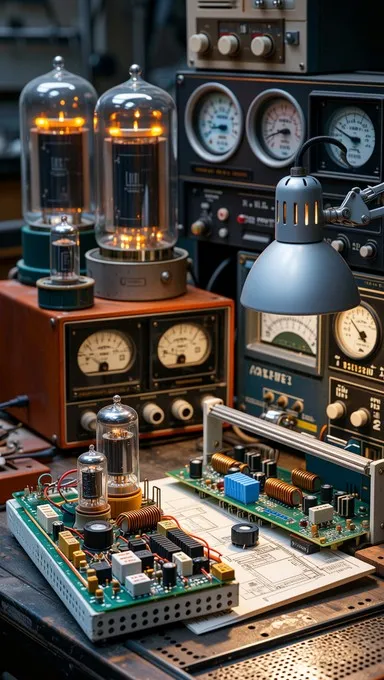
Your Phone Fears a Sauna: Lessons in Building Hardware That Refuses to Die
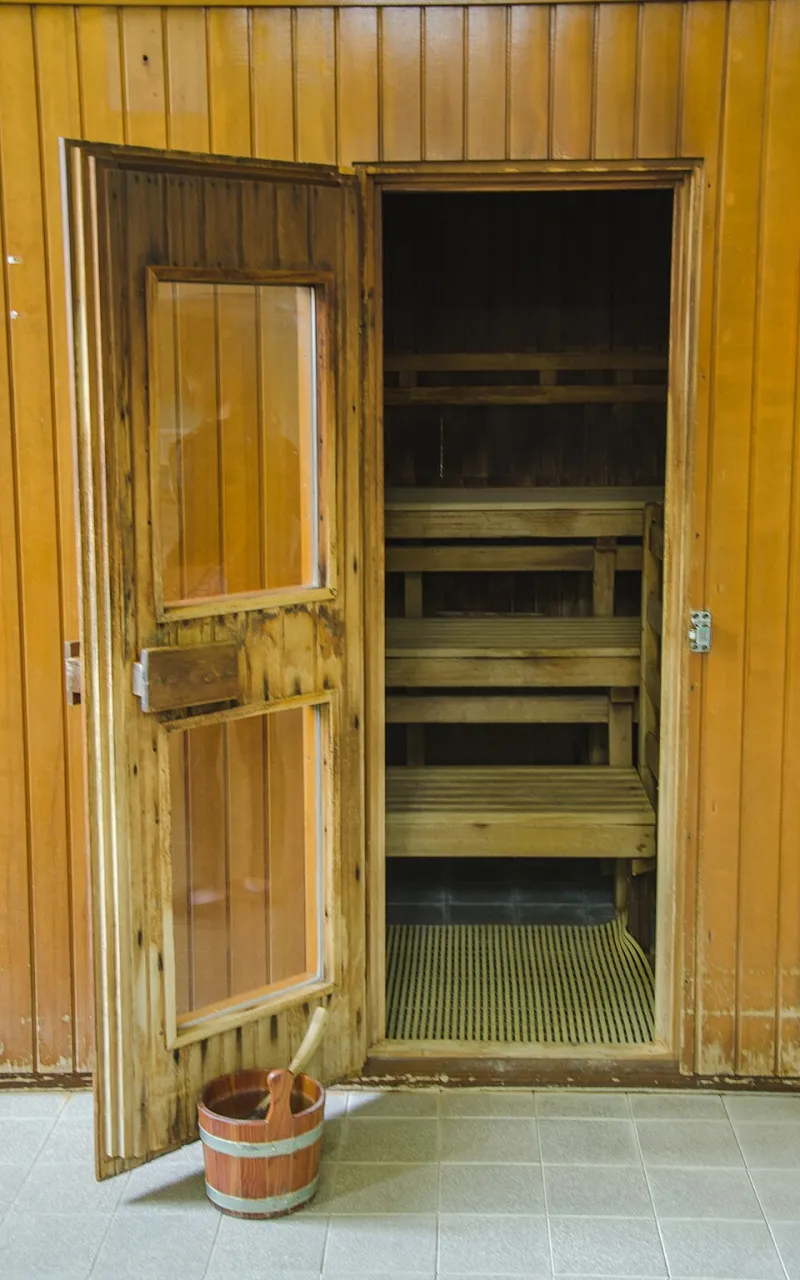
Photo: Valentin R. from France, CC0, via Wikimedia Commons
There's a moment in every American gadget owner's life when the screen cracks, the battery swells, or the charging port simply gives up the ghost—and you realize the device was never really yours. You were just renting it from the upgrade cycle.
In Finland, that moment hits differently. Mostly because the gadgets there have to survive something far more hostile than a drop onto a Denver sidewalk: the sauna.
The Sauna as a Stress Lab
Consider the environment. Ninety degrees Celsius. Near-total humidity swings. People leaning against wooden walls with sweat dripping off their foreheads, occasionally bringing in a phone because nobody can resist checking the game score. If hardware can live through that, it can live through your gym bag.
Finnish engineers don't test in a sauna as a gimmick—well, not only as a gimmick. The country's broader engineering culture leans hard on extreme-condition validation. Consumer protection law in the EU (Finland included) requires a two-year conformity guarantee, and Nordic retailers have long treated durability as a selling point rather than a threat to quarterly revenue. The result: laptops and phones marketed in Finland routinely tout IP ratings, MIL-STD-810 testing, and replaceable batteries as headline features, not buried spec-sheet footnotes.
Contrast that with the US market, where the median smartphone ownership period keeps creeping upward not because phones last longer, but because they got too expensive to casually replace. We've priced ourselves into durability whether we like it or not.
Sisu: Grit as a Design Spec
There's no perfect English translation for sisu—the Finnish concept of stubborn perseverance in the face of absurd odds. It's the national trait that got the country through a century that included two wars with a much larger neighbor and the invention of the ice swimming hobby.
It's also, if you squint, a product requirement.
Nokia—the company that put Finland on the electronics map—operated with a kind of sisu-driven engineering ethos: overbuild the chassis, derate the components, test until the thing stops being funny. The legendary durability of the Nokia 3310 wasn't an accident. It was a culture expressing itself through injection-molded polycarbonate.
Modern teardowns of Nordic-designed hardware tell a similar story. Open up gear from companies like Oura (Finnish, for the uninitiated) and you find potted electronics, careful thermal management, and assembly choices that favor longevity over the thinnest possible profile. Compare that to teardown videos of flagship American and Chinese phones, where the first step is often "apply heat and pray."
Silence Is a Feature
Here's the quirkier lesson, and the one most relevant to tinkerers: Finnish design treats silence as a specification.
This is a country where an open laptop with a blinking LED in a dark bedroom is considered a design failure. Finnish industrial design—think Iittala glassware, Artek furniture—follows a principle of restraint. No unnecessary ornamentation, no gratuitous noise, visual or otherwise. When that philosophy crosses into hardware, you get devices with passive cooling where competitors bolt on fans, e-ink displays where others install OLEDs, and status indicators that respect your 2 a.m.
The Finnish-Korean Society of Design once put out a cheeky comparative study noting the shared aesthetic DNA between Nordic and Korean design: minimalism, honesty of materials, functionality first. The through-line is that good design doesn't shout. Neither should your electronics.
Practical Takeaways for the Garage Engineer
So what does all this mean for the hobbyist soldering away in an American garage or basement? A few transferable principles:
Derate everything. Finnish engineers spec components well below their rated limits. Your microcontroller will happily run at 85°C, but it'll live twice as long at 45°C. Add the heatsink. Undervolt the thing.
Design for the repair, not the unboxing. Use sockets instead of solder-down parts where you can. Label your wires. Put the firmware on GitHub. A device that can be opened is a device that can be loved for a decade.
Conformal coat or pot anything going outdoors. Humidity kills more hobby projects than bad code does. A $10 can of conformal spray is the cheapest insurance in electronics.
Silence the blinkies. Audit your build for unnecessary LEDs, buzzers, and fans. If it doesn't inform, it annoys.
Test in your own sauna. You probably don't have one—though if you're reading Finnputer, you've considered it. Substitute: a sealed container with damp rice in the sun, a car dashboard in July, or an oven on the lowest setting with the door cracked. Extreme? Yes. But sisu demands it.
The Antidote to Disposable
The disposable gadget problem isn't a technology problem—it's a values problem. We've optimized for thin, shiny, and new when we should be optimizing for tough, quiet, and repairable.
The Finns figured this out partly through geography and history: when winter lasts six months and the nearest repair shop is 200 kilometers away, your stuff better work. Americans have the opposite problem—abundance so deep we throw away working hardware because the battery is at 79% health.
So the next time you're designing a project, ask the sauna question: Would this survive 90 degrees, 10% humidity, and a Finn silently judging it? If the answer is yes, you've built something worth keeping.
And if the answer is no—well, there's always the next board revision. Sisu is a practice, not a product.