Foraging the Software Commons: A Tinkerer's Map of What's Free, What's Free-ish, and What Bites
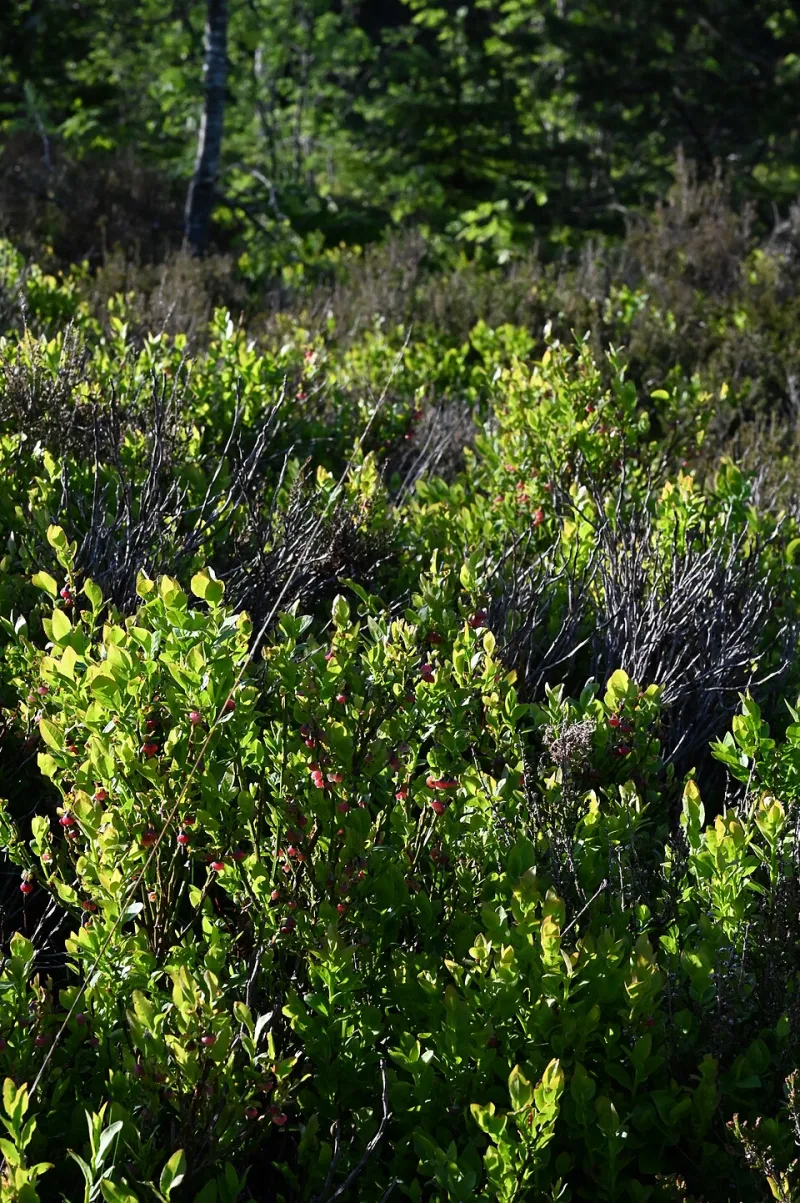
Photo: Smilla Heckel, CC BY-SA 4.0, via Wikimedia Commons
In Finland, there's a legal concept called jokamiehenoikeus — everyman's right. It means you can hike across someone's land, pitch a tent briefly, pick berries and mushrooms, and generally wander the wilderness without asking permission. You can't light fires where it's dangerous, you can't trash the place, and you can't walk through someone's yard. But the forest, broadly, is yours.
Software has a forest too. It's enormous, mostly well-maintained, and legally open to anyone. But unlike the Finnish wilderness, the software commons is full of signs that look like warnings, warnings that look like signs, and the occasional thorn bush that only reveals itself when you've already fallen in.
Here's our field guide.
The Safe Berries: MIT, Apache, BSD
Most of what you'll forage is fruit from the MIT and Apache families, and it's about as safe as foraging gets. Take the code. Use it in your project. Ship your project commercially. Just keep the license file intact and don't sue anybody.
The Apache 2.0 license adds a little more structure — an explicit patent grant and a notice requirement when you modify files. Think of it as the berry patch with a posted sign explaining which mushrooms are edible. Slightly more paperwork, considerably fewer surprises.
If you're a hobbyist, you can basically live your whole life in this zone. Millions of American developers do.
The Fence Posts: Copyleft
GPL is where new foragers get confused, because GPL isn't a fence — it's a commitment. Use GPL code in your project and your project generally has to be GPL too. That's not a trap; it's a philosophy. The commons stays common because everyone who builds on it gives back.
The practical rule: if you're making something personal, a GPL library is a gift. If you're making a commercial product and you don't want to open it, GPL code is a property line you shouldn't cross. The AGPL extends this to server-side software, which is why so many companies have a quiet internal policy banning it. That ban isn't paranoia — it's scar tissue from actual lawsuits and near-lawsuits.
The Gray Zones Nobody Warns You About
Now the thorn bushes.
Free tiers are not rights. Everyman's right is written into law. A free tier is written into a marketing deck. That generous database plan, that free CI minutes allowance, that free API — the company can change the terms, shrink the limits, or shut it down entirely. Plenty of startups have died when a vendor's Series B math changed. Treat free tiers like a berry patch on private land: lovely today, gated tomorrow.
"Source-available" is not open source. Some licenses let you look at the code but restrict commercial use, redistribution, or specific industries. FSL, BSL, SSPL — these are legitimate business strategies, but they're not the commons. Read before you build your whole side project on one.
License compatibility is real. Mixing GPL code with Apache code is usually fine. Mixing certain other combinations is a legal puzzle that lawyers bill hours over. If your project grows beyond a weekend, run your dependency tree through a license scanner. It's free. (See what we did there.)
Training data and AI models have their own wilderness. Model licenses like the Llama community license carry use restrictions that would make a Finnish landowner blush. If you're fine-tuning models for anything beyond a hobby, read the terms twice.
The Finnish Lesson
What makes everyman's right work isn't permissiveness — it's responsibility. The right exists because generations of people took only what they needed and left the forest better than they found it.
The software commons works the same way. Take the libraries. Use the free tools. But file the bug reports, write the docs you wish existed, push the fix upstream when you can. The forest stays open because foragers don't just forage.
Wander freely. Leave no trace. And maybe, once in a while, plant something.